

Profile
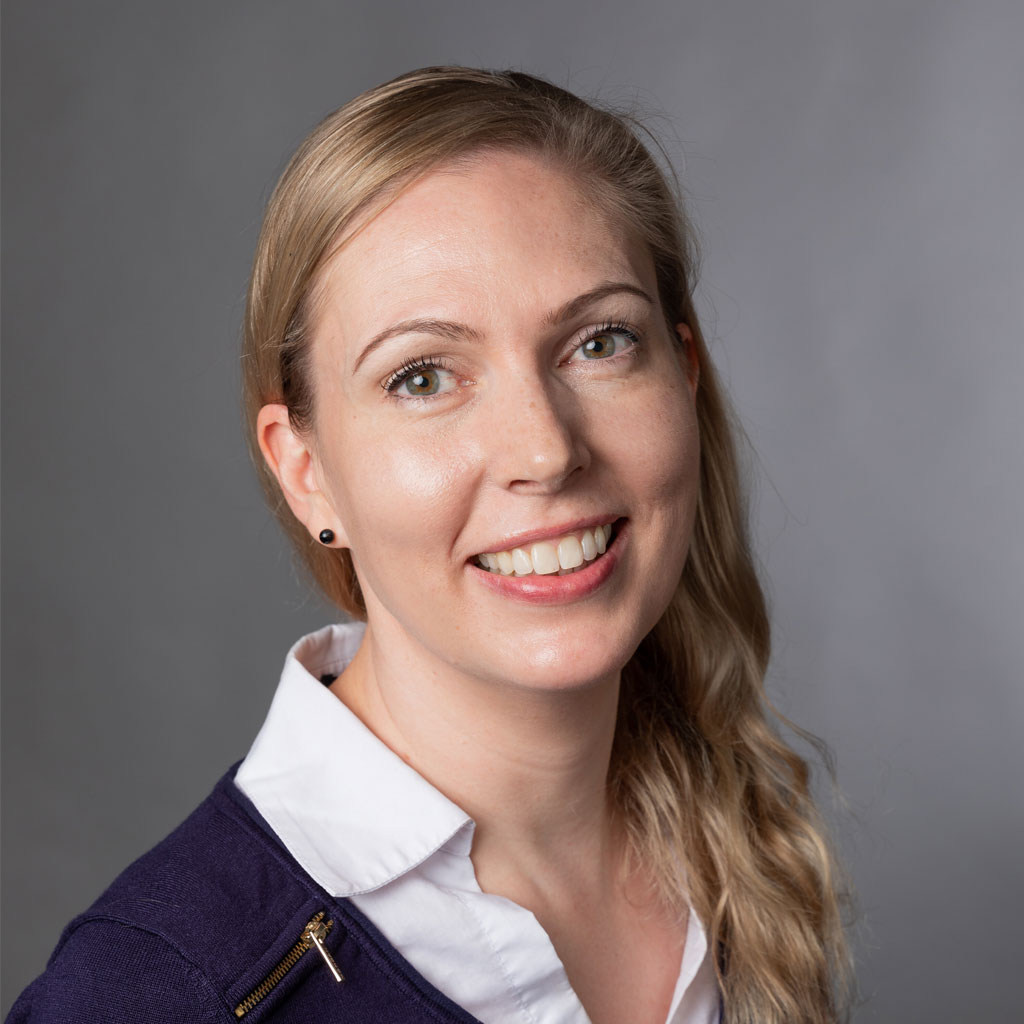
Elisa Närvä
Adjunct Professor in Stem Cell Science
Principal Investigator Pluripotency & Cancer Laboratory
ORCID ID: 0000-0003-0517-9436
Description of Research
Human pluripotent stem cells (hPSCs) can differentiate into every cell type in the human body and self-renew indefinitely, which has led to their irreplaceable use in regenerative medicine, drug screenings, and disease modelling. Our focus is to understand the unique life of stem cells. We aim to gain a comprehensive understanding of the endogenously produced stem cell factors and their role in directing stemness in development and in cancer. Our research combines quantitative proteomics and high-resolution sequencing with cutting-edge stem cell and genetic engineering techniques.
We have established cellular reprogramming within our Institute, resulting in the first human pluripotent stem cell (hPSC) lines from Turku University: UTUi001-A (TUR1), UTUi001-B (TUR2), and UTUi001-C (TUR3), derived from somatic fibroblasts (Sandelin et al. 2024). In addition, we have produced a hPSC line from human peripheral blood mononuclear cells (PBMCs) UTUi003-A (TUR-B1) (Sandelin et al. 2025). These hPSC lines are extensively validated and registered at the Human Pluripotent Stem Cell Registry (https://hpscreg.eu/). We are happy to provide these cell lines for your research.
Moreover, we have recently reprogrammed successfully hPSCs from PBMCs and produced a patient-specific hPSC line carrying a specific mutation (Sandelin et al. 2025). Human pluripotent stem cells (hPSCs) provide an unlimited source of cells to generate all the differentiated cell types. Currently, our laboratory utilizes hematopoietic differentiation protocols of hPSCs to produce patient-specific iMonocytes and iMacrophages.
Recent studies have demonstrated that pluripotent factors can exist in various tumors of different origins. Importantly, pluripotent factors are not only expressed in these tumors they can also drive tumorigenicity, embryonic pathways, and plasticity. One of our team’s primary goals is to develop optimal methods for capturing normal and cancer-associated stem cells from clinical patient samples.
Representative Publications
Sandelin S, Giannareas N, Seppänen MRJ, Kere J, Hollmén M, Närvä E. Generation of two human induced pluripotent stem cell lines from peripheral blood mononuclear cells featuring normal or mutated STAB1 gene. Stem Cell Res. Jun 2;87:103750, 2025
Hakala S., Hämäläinen A., Sandelin S., Giannareas N. & Närvä E. Detection of Cancer Stem Cells from Patient Samples. Cells Jan 20;14(2):148, 2025
Sandelin S., Hakala S., Lehtinen L. & Närvä E. Generation of three isogenic human induced pluripotent stem cell lines from normal neonate skin fibroblasts. Stem Cell Res. Feb:74:103301, 2024
Närvä E. Onko syövän kantasolujen kliininen tunnistaminen vieläkin mahdotonta? Lääketieteellinen aikakausikirja DUODECIM. 139(19):1547-53, 2023
Närvä E., Taskinen ME., Lilla S., Isomursu A., Pietilä M., Weltner J., Isola J., Sihto H., Joensuu H., Zanivan S., Norman J., Ivaska J. MASTL is enriched in cancerous and pluripotent stem cells and influences OCT1/OCT4 levels. iScience. May 25;25(6):104459, 2022
Taskinen ME*, Närvä E*, Conway JRW, Hinojosa LS, Lilla S, Mai A, De Franceschi N, Elo LL, Grosse R, Zanivan S, Norman JC, Ivaska J. MASTL promotes cell contractility and motility through kinase-independent signaling. J Cell Biol. Jun 1;219(6), 2020
Conway JRW*, Närvä E*, Taskinen ME*, Ivaska J. Kinase-Independent Functions of MASTL in Cancer: A New Perspective on MASTL Targeting. Cells. Jul 6;9(7):E1624, 2020
Stubb A.*, Guzmán C.*, Närvä E, Aaron J., Chew T-L., Saari M., Miihkinen M., Jacquemet G., Ivaska J. Superresolution architecture of pluripotency guarding adhesions. Nature Commun. Oct 18;10(1):4756, 2019
Pietilä M*, Sahgal P.*, Peuhu E., Jäntti N., Paatero I., Närvä E., Al-Akhrass H., Lilja J., Georgiadou M., Andersen O., Padzik A., Sihto H., Joensuu H., Blomqvist M., Saarinen I., Boström P., Taimen P. & Ivaska J. SORLA regulates endosomal trafficking and oncogenic fitness of HER2. Nature Commun. May 28;10(1):2340, 2019
Närvä E, Stubb A, Guzmán C, Blomqvist M, Balboa D, Lerche M, Saari M, Otonkoski T, Ivaska J. A Strong Contractile Actin Fence and Large Adhesions Direct Human Pluripotent Colony Morphology and Adhesion. Stem Cell Reports (2017) Jul 11;9(1):67-76.
Emani MR*, Närvä E*, Stubb A, Chakroborty D, Viitala M, Rokka A, Rahkonen N, Moulder R, Denessiouk K, Trokovic R, Lund R, Elo LL, Lahesmaa R. The L1TD1 Protein Interactome Reveals the Importance of Post-transcriptional Regulation in Human Pluripotency. Stem Cell Reports (2015) Mar 10;4(3):519-28.
Närvä E.*, Pursiheimo J-P.*, Laiho A., Rahkonen N., Maheswara R. E., Viitala M., Laurila K., Sahla R., Lund R., Lähdesmäki H., Jaakkola P. and Lahesmaa R. Continuous Hypoxic Culturing of Human Embryonic Stem Cells Enhances SSEA-3 and MYC Levels. Plos One (2013). Nov 13;8(11):e78847.
Kong L.*, Aho K-L*, Granberg K.*, Lund R.*, Järvenpää L., Seppälä J., Gokhale P., Leinonen K., Hahne L., Mäkelä J., Laurila K., Pukkila H., Närvä E., Yli-Harja O., Andrews P. W., Nykter M., Lahesmaa R., Roos C. & Autio R. ESTOOLS Data@Hand: human stem cell gene expression resource. Nature Methods (2013), Sep;10(9):814-815.
Lund R.*, Nikula T.*, Rahkonen N., Närvä E., Baker D., Harrison N., Andrews P., Otonkoski T., Lahesmaa R. High-Throughput Karyotyping of Human Pluripotent Stem Cells. Stem Cell Research (2012), Jul 11;9(3):192-195
Lund R.*, Närvä E.* & Lahesmaa R. Genetic and Epigenetic stability of human pluripotent stem cells. Nature Reviews Genetics (2012) Oct;13(10):732-44.
Närvä E., Rahkonen N., Maheswara R. E., Lund R., Pursiheimo J-P., Nästi J., Autio R., Rasool O., Denessiouk K., Lähdesmäki H., Rao A. and Lahesmaa R. RNA Binding Protein L1TD1 Interacts with LIN28 via RNA and Is Required for Human Embryonic Stem Cell Self-renewal and Cancer Cell Proliferation. STEM CELLS (2012) Mar;30(3):452-60
Hussein S. M.*, Batada N. N.*, Vuoristo S., Ching R. W., Autio R., Närvä E., Ng S., Sourour M., Hämäläinen R., Cia Olsson, Lundin K., Mikkola M., Trokovic R., Peitz M., Brüstle O., Bazett-Jones D. P., Alitalo K., Lahesmaa R., Nagy A. & Otonkoski T. Copy number variation and selection during reprogramming to pluripotency. Nature (2011) Mar 3;471(7336):58-62.
Närvä E., Autio R., Rahkonen N., Kong L., Harrison N., Kitsberg D., Borghese L., Itskovitz-Eldor J., Rasool O., Dvorak P., Hovatta O., Otonkoski T., Tuuri T., Cui W., Brüstle O., Baker D., Maltby E., Moore H. D., Benvenisty N., Andrews P. W., Yli-Harja O. & Lahesmaa R.. High-resolution DNA analysis of Human Embryonic Stem Cell lines reveals culture-induced copy number changes and loss of heterozygosity. Nature Biotechnology (2010) Apr;28(4):371-7.